England’s devolution settlement is taking shape. The challenge now is to make it work.
This collection brings together researchers and practitioners from TPI and beyond to examine the powers, funding, institutions and capabilities England’s Strategic Authorities need to deliver lasting economic change. It moves beyond the case for devolution to explore where it can make the greatest difference, and what national, regional and local government must do to realise its potential.
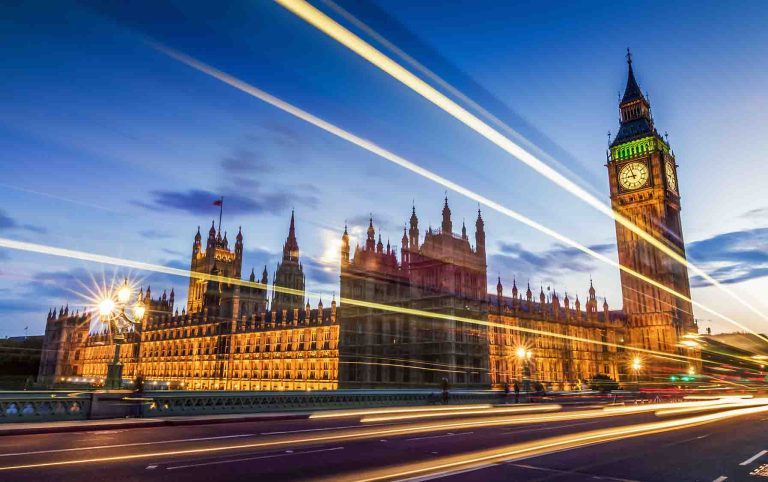
Devolution has reshaped government across the UK over the past quarter-century. From the late 1990s, new institutions in Scotland, Wales and Northern Ireland took on powers previously held at Westminster, including responsibility for health, education and transport.
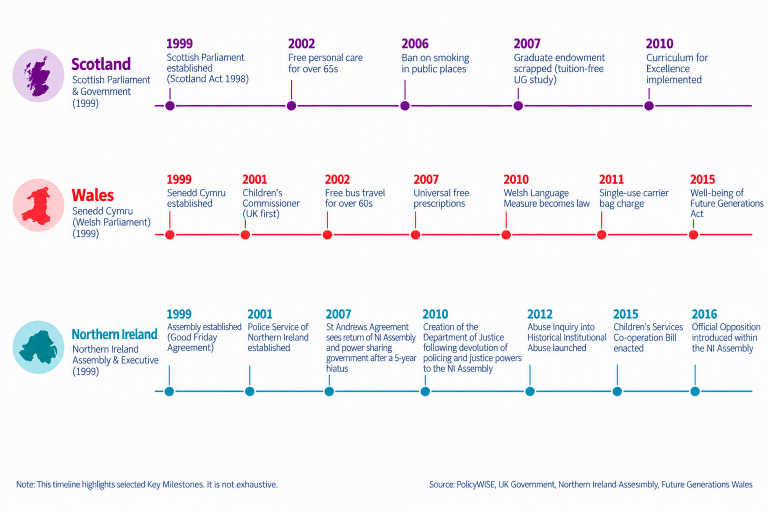
Each nation has followed its own path, gaining different powers at different times. The timeline below highlights selected milestones in that continuing process.
England followed a different route. Rather than creating a national parliament, successive governments devolved powers through local government reforms, combined authorities and negotiated deals with places.
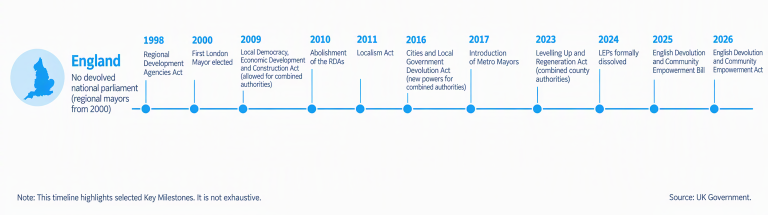
This process accelerated in the 2010s and 2020s. The English Devolution White Paper December 2024 set out plans to widen and deepen devolution, followed by the English Devolution and Community Empowerment Act 2026 which put strategic authorities on a statutory footing.
The timeline below traces key steps in England’s journey from limited regional structures to today’s statutory framework.
These milestones explain how the current system emerged. The next section looks at what English devolution means today, who holds which powers and the questions that will determine whether it delivers.
As England’s devolution settlement takes shape, attention is shifting towards how devolution can lead to sustained growth. In this editorial, Jun Du, TPI’s Managing Director, introduces TPI’s new devolution campaign, examining the conditions strategic authorities need to raise productivity and deliver lasting economic change. Across three waves, the series will explore local powers and capabilities, the policies best suited to different levels of government, and how places and Whitehall can learn and work together over time.